
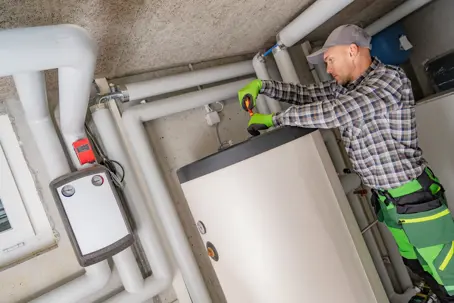
Hot Water Tank Maintenance in Edmonton: What Homeowners Should Know
Most homeowners do not think about their hot water tank until something goes wrong.
The reality is that regular maintenance can significantly extend the life of your system and reduce the risk of unexpected failure.
In a climate like Edmonton, where tanks work harder year round, proper maintenance becomes even more important.
This guide explains what you should know to keep your system running efficiently.
Why Maintenance Matters
Hot water tanks operate under constant pressure and heat.
Over time, wear and buildup inside the tank can reduce efficiency and increase the risk of failure.
Regular maintenance helps:
• Extend lifespan
• Improve efficiency
• Reduce energy costs
• Prevent leaks and damage
• Maintain consistent performance
Even simple steps can make a noticeable difference.
The Most Important Maintenance Task: Flushing the Tank
Sediment buildup is the number one issue affecting hot water tanks.
Minerals in the water settle at the bottom of the tank and harden over time.
If not removed, this buildup can:
• Reduce heating efficiency
• Cause overheating
• Create noise
• Damage internal components
Flushing the tank removes this sediment and restores efficiency.
How Often Should You Flush Your Tank
For most homes in Edmonton:
• Once per year is recommended
• Homes with higher mineral content may need more frequent flushing
• Older tanks benefit from more consistent maintenance
Regular flushing is one of the easiest ways to extend lifespan.
Checking the Anode Rod
The anode rod is one of the most important but most overlooked components.
It protects your tank by attracting corrosion.
Once the rod is depleted, corrosion begins attacking the tank itself.
When to check it:
• Every 2 to 3 years
• Sooner if your water has high mineral content
Replacing the anode rod can significantly extend the life of your system.
Inspecting for Leaks and Moisture
Small leaks often start as minor issues before becoming major problems.
Check around the base of the tank for:
• Moisture
• Rust stains
• Dripping water
Catching these early can prevent serious water damage.
Testing the Temperature and Pressure Relief Valve
This valve is a critical safety feature.
It releases pressure if the tank becomes too hot or over pressurized.
You should:
• Test it periodically
• Ensure water releases properly when activated
• Replace it immediately if it fails
A faulty valve can lead to serious safety risks.
Setting the Right Temperature
Most tanks are set between 120 and 140 degrees Fahrenheit.
For most homes:
• 120 degrees is ideal
• Higher temperatures increase wear
• Higher settings also increase energy costs
• Safety risks increase with hotter water
Keeping the temperature lower improves efficiency and longevity.
Inspecting Connections and Venting
Check visible connections regularly.
Look for:
• Loose fittings
• Signs of corrosion
• Wear on pipes
• Improper venting
For gas systems:
• Ensure venting is secure
• Check that airflow is not blocked
Proper setup ensures safe operation.
When Maintenance Is Not Enough
Maintenance helps extend lifespan, but it does not stop aging.
If your tank is over 10 years old and showing signs of wear, replacement planning should begin.
Watch for:
• Rust colored water
• Rumbling or popping sounds
• Inconsistent hot water
• Rising energy bills
At this stage, repairs are often temporary.
Professional Maintenance vs DIY
Some maintenance tasks can be done yourself.
However, professional servicing provides a more complete inspection.
Professional maintenance includes:
• Full system inspection
• Proper flushing
• Component testing
• Safety checks
This helps catch problems early before they become expensive.
How Maintenance Impacts Lifespan
A well maintained tank will typically last longer.
Maintenance helps:
• Reduce internal stress
• Improve heating efficiency
• Prevent corrosion buildup
• Maintain consistent performance
Neglected tanks often fail earlier than expected.
Edmonton Specific Considerations
Edmonton’s climate adds additional strain on hot water systems.
Cold groundwater means:
• Tanks work harder to heat water
• Systems experience more wear over time
• Demand increases during winter months
Because of this, maintenance is even more important compared to warmer regions.
The Bottom Line
Hot water tank maintenance is one of the simplest ways to extend the life of your system and avoid unexpected failure.
A properly maintained system runs more efficiently, lasts longer, and reduces the risk of costly damage.
If your tank has not been serviced recently, now is the right time to start.
Need Help Maintaining Your Hot Water Tank
If you are unsure how to maintain your system or prefer professional servicing, a qualified technician can help.
A professional can:
• Inspect your tank
• Identify potential issues
• Perform maintenance safely
• Help extend system lifespan
Regular maintenance today can prevent major problems tomorrow.