
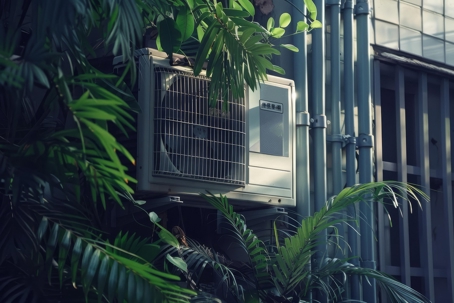
Troubleshooting Heat Pump Not Heating: Effective Solutions
Why Isn't My Heat Pump Heating? Common Causes and Practical Fixes for Edmonton Homes
When your heat pump fails to heat, Edmonton homes quickly become uncomfortable, and energy bills can soar. This guide covers common causes, how heat pumps operate in cold weather, safe DIY troubleshooting, and when to call a certified technician. We’ll explore issues from thermostat and airflow problems to refrigerant loss and defrost faults, offering simple checks and preventive maintenance tips. You’ll also find guidance on upgrading to modern cold-climate models, financing, and grant assistance. Learn how Acclaimed! Heating, Cooling & Furnace Cleaning supports Edmonton homeowners with local repair, installation, and grant guidance.
How does a heat pump move heat into your home—especially in cold weather?
Heat pumps warm your home by transferring thermal energy from the outside air indoors via a closed refrigerant loop, compressor, and heat exchangers. The compressor increases refrigerant pressure and temperature, while a reversing valve directs flow to pull heat from outside and release it inside. Modern cold-climate air-source heat pumps (ccASHPs) utilize inverter-driven compressors and specialized refrigerants to operate efficiently even in subzero conditions. Understanding this process highlights why airflow, refrigerant charge, and proper defrost cycles are crucial for performance, especially in Edmonton’s cold climate.
What are the main parts of a heat pump heating system?
Key heat pump components include the outdoor unit (coil and fan), compressor, reversing valve, indoor air handler and coil, expansion device, refrigerant circuit, thermostat, and air filters. Each part has a specific function: the compressor circulates refrigerant, the reversing valve dictates heating or cooling, coils facilitate heat exchange, and the thermostat manages settings. Component failures often present predictable symptoms, such as a noisy compressor indicating mechanical issues or a stuck reversing valve causing cold air. A basic check can help identify the problem before professional service.
How do cold-climate heat pumps stay efficient through Edmonton winters?
Cold-climate heat pumps maintain efficiency through Edmonton winters using inverter (variable-speed) compressors and enhanced heat exchangers, allowing them to extract heat even at low ambient temperatures. Smarter controls minimize defrost cycles, and specialized refrigerants ensure operation in colder conditions. A properly sized ccASHP can provide effective heat down to -25°C to -30°C, though performance relies on correct installation, refrigerant charge, and clear airflow. Understanding these capabilities helps manage expectations and select upgrades for reduced energy bills.
What are the most common reasons a heat pump won’t produce heat?
Many heating failures can be diagnosed with a systematic DIY approach: check thermostat settings, inspect the air filter, clear the outdoor unit, confirm breakers, and look for ice. These initial steps often resolve simple issues, preventing unnecessary service calls. If heat remains absent, the problem likely involves refrigerant, defrost controls, reversing valve faults, or electrical/compressor issues requiring professional expertise. Here are the top causes and initial actions.
- Thermostat set incorrectly: Make sure the thermostat is in “Heat” and set above room temperature; swap batteries if fitted.
- Clogged air filter: Replace or clean the filter to restore airflow and lower the chance of coil icing.
- Outdoor unit iced or blocked: Remove snow and debris around the unit; only force a defrost if it’s safe to do so.
- Tripped breaker or power issue: Check breakers and the outdoor disconnect, and avoid repeated resets.
- Low refrigerant or mechanical failure: Signs include long run times and ice on coils—call a certified technician.
These are the most common, owner-safe checks. If the problem continues after you try them, arrange a professional diagnosis to protect the system and any warranty.
How can thermostat problems make a heat pump blow cold air?
The thermostat, controlling mode, temperature, and fan, is a frequent source of cold air issues. Common problems include incorrect mode (e.g., set to “Cool”), low batteries, or a faulty room sensor. Always check the mode, adjust the setpoint, replace batteries, and clear schedules first. If wiring appears loose or errors display, cease DIY efforts and schedule professional diagnostics or replacement to prevent system damage.
Why do dirty filters and blocked outdoor units reduce heating performance?
Dirty filters and blocked outdoor units significantly impede heat transfer and airflow. A clogged indoor filter reduces airflow and raises coil temperatures, while a blocked outdoor coil hinders heat extraction. This restriction leads to longer run times, reduced comfort, higher bills, and increased risk of outdoor coil frosting. Replace or clean filters every 1–3 months and maintain 30–60 cm clearance around the outdoor unit, promptly removing snow and debris. Optimal airflow minimizes compressor strain and ensures designed heating capacity.
The table below summarizes common heat pump problems, symptoms, safe DIY actions, and when professional help is needed.
| Component | Typical Symptoms | DIY Action | When to Call a Professional |
|---|---|---|---|
| Thermostat | Blows cold air, reads wrong temp | Check mode and batteries, reset settings | Loose wiring or persistent calibration errors |
| Air Filter / Airflow | Weak airflow, long run cycles | Replace/clean filter, clear vents | Low airflow after filter change or fan failure |
| Outdoor Unit / Coil | Visible ice, reduced heat output | Clear snow/debris, allow defrost cycle | Persistent ice or noisy fan/compressor |
| Refrigerant | Long runtimes, ice on coil | Look for visible oil stains (do not touch) | Suspected leak — certified refrigerant service required |
| Electrical | Tripped breakers, no power | Reset breaker, check outdoor disconnect | Repeated trips, burning smell, or control board faults |
When is a frozen outdoor unit normal—and when is it a problem?
Light frost on the outdoor coil is normal during cold operation and should clear during automatic defrost cycles. However, heavy or persistent ice indicates a problem. While normal defrost is brief, prolonged icing, large ice chunks, or continuous frost suggests issues like low refrigerant, failed defrost sensors, poor airflow, or faulty defrost controls. Clear light snow, but never use sharp tools. If ice persists after defrost or quickly reappears, contact a technician to inspect refrigerant and defrost electronics. Prompt professional action prevents compressor strain and further damage.
How do power interruptions and tripped breakers affect heat pump heating?
Tripped breakers or power interruptions often result from overloads, short circuits, or failing contactors, preventing compressor or fan startup. Safely check the main breaker, outdoor disconnect, and thermostat power. After one reset, test the system, but avoid repeated resets. If breakers trip again, or you detect burning smells, arcing, or visible damage, immediately call a certified electrician or HVAC technician. Electrical problems frequently indicate deeper faults requiring professional diagnosis for safety and reliability.
When should I call a professional for heat pump repair in Edmonton?
Contact a certified technician for issues involving refrigerant handling, high-voltage systems, or sealed-system diagnostics, as these are hazardous and legally restricted. Professional service is essential for persistent ice after defrost, significant capacity loss despite good airflow, repeated breaker trips, unusual compressor noises, or signs of refrigerant leaks (e.g., oil stains). Specifically, call a technician if the outdoor coil continuously ices, the compressor hums but won’t start, or breakers trip repeatedly with signs of electrical damage. Acclaimed! Heating, Cooling & Furnace Cleaning offers local heat pump repair, financing, and Canada Greener Homes Grant guidance, ensuring quick response and certified refrigerant handling in Edmonton.
What are the signs of low refrigerant—and why must a pro handle it?
Low refrigerant typically manifests as reduced heat output, extended run times, and ice on the outdoor or indoor coils. Refrigerant repairs, including leak detection, evacuation, and precise charging, are legally restricted and must be performed by licensed technicians to comply with regulations and protect the environment. Professionals utilize specialized tools like pressure gauges and electronic leak detectors to find and repair leaks, then recharge systems to manufacturer specifications. Uncertified refrigerant work risks improper charging, component damage, and legal penalties.
How does a stuck reversing valve affect heating?
The reversing valve controls refrigerant flow for heating or cooling. If it sticks or leaks, the unit may get stuck in cooling mode or fail to heat effectively. Symptoms include cold air during a heat call, long runtimes with minimal temperature change, or clicking sounds when switching modes. Diagnosing and repairing a reversing valve, often requiring replacement or actuator service, involves sealed-system work and demands a trained technician.
What compressor and electrical failures are common in heat pumps?
Compressor issues vary from faulty start capacitors and contactors to motor winding failure or seizure. Electrical faults present as no-start conditions, tripped breakers, or erratic control board operation. Technicians diagnose these by measuring amp draw, inspecting start components, and testing control logic to determine repair or replacement. Electrical problems can also impact defrost controls and thermostat communication. Due to dangerous voltages and complex failure modes, all electrical diagnostics and repairs should be handled by certified professionals for safety and reliability.
Why do frozen coils and defrost cycle failures need expert attention?
Defrost systems rely on sensors, timers, and control boards to clear outdoor coil frost. Failure in any of these components can lead to persistent icing and loss of heating. Ongoing icing often indicates issues across multiple subsystems—airflow, refrigerant charge, sensors, and control logic—necessitating a professional diagnostic. Technicians will assess sensor readings, test defrost relays, measure refrigerant pressures, and inspect airflow to identify the root cause. Addressing the underlying problem prevents compressor overload and ensures safe, efficient operation.
How can preventative maintenance keep my heat pump running efficiently?
Regular preventative maintenance is crucial for heat pump efficiency, extending equipment life, preventing icing, and reducing mid-winter failures. Seasonal tune-ups involve filter changes, coil cleaning, electrical inspections, refrigerant checks, lubrication, and defrost control testing, all contributing to lower energy use and repair costs. Adhering to a maintenance schedule minimizes emergency calls and stabilizes operating costs, as professional inspections can detect wear before major failures occur. The table below outlines a simple maintenance schedule.
| System Area | Maintenance Task | Recommended Frequency |
|---|---|---|
| Air Filter | Replace or clean | Every 1–3 months |
| Outdoor Coil | Inspect & clear debris | Before winter and monthly through the snow season |
| Electrical | Tighten connections, check breakers | Annually during tune-up |
| Defrost System | Test sensors & controls | Annually before winter |
| Refrigerant | Pressure check and leak inspection | Annually or when performance drops |
- Key tune-up tasks focus on restoring designed airflow, verifying refrigerant and electrical integrity, and ensuring defrost controls work correctly.
- Timing matters: inspect before sustained cold and again after winter to catch wear from heavy operation.
- A professional tune-up includes manufacturer-recommended adjustments and a written report that documents condition and next steps.
What should a pre-winter tune-up include for Edmonton heat pumps?
A pre-winter tune-up should verify refrigerant pressures, clean coils, inspect electrical connections and controls, replace filters, and confirm defrost settings. Technicians also test indoor coil airflow, measure amperage, and confirm thermostat communication to prevent short-cycling. This proactive service before subzero weather reduces emergency failures and enhances comfort. Scheduling in early fall also aids in budgeting for potential repairs or upgrades.
How often should I change air filters to avoid heating problems?
Replace or clean air filters every 1–3 months, more frequently if you have pets, high dust, or heavy occupancy. Dirty filters restrict airflow, reduce heat transfer, promote coil frosting, and degrade indoor air quality. Ensure you use the correct MERV level for your system, as higher MERV can restrict airflow if not designed for it. Visually inspect filters and replace them promptly when dirty to maintain optimal heating performance.
Why are professional inspections important for long-term performance?
Professional inspections safeguard warranties, ensure regulatory compliance for refrigerant work, and detect electrical or mechanical wear before major failures. Certified technicians conduct specialized tests—like amp draws and control-board diagnostics—that homeowners cannot safely perform. Regular professional maintenance offers a measurable return on investment through improved seasonal efficiency, fewer emergency repairs, and extended component life. For hands-off care, a service agreement provides predictable maintenance and priority response during peak demand.
When is it time to replace or upgrade my heat pump?
Deciding to replace or upgrade your heat pump hinges on its age, repair frequency, capacity loss, and evolving efficiency standards or refrigerant regulations. Consider replacement if repairs are frequent, the system struggles to maintain temperature, or if a new cold-climate heat pump offers significant energy savings. Modern ccASHPs provide superior seasonal efficiency, enhanced low-temperature capacity, and use lower-GWP refrigerants for improved comfort and environmental benefits. The table below outlines system types and decision signals.
| System Type | Attribute | Decision Signal |
|---|---|---|
| Older ASHP | Lower efficiency, limited low-temp output | Frequent repairs, rising bills, loss of capacity |
| Modern ccASHP | Inverter compressor, better low-temp rating | Consider upgrade for improved winter performance |
| Refrigerant | Legacy refrigerant types | Phase-out risk or harder-to-find parts |
| Hybrid/System Age | Repair cost vs replacement value | Repair cost > 50% of replacement estimate → replace |
What signs show my heat pump is old or inefficient?
Beyond age, signs of an old or inefficient heat pump include rising repair costs, reduced heating capacity, longer runtimes, higher utility bills, and outdated, costly-to-service refrigerants. If your system struggles to maintain temperature on moderately cold days or runs constantly, its capacity has likely diminished. Compare repair estimates with replacement quotes, factoring in efficiency gains and incentives, to guide your upgrade decision. Seasonal monitoring of these signs can prevent sudden failures.
What financing and government grants are available for upgrades in Edmonton?
Various financing and rebate options can reduce upfront costs for heat pump upgrades. Seek loan terms aligning with energy savings and grant eligibility. Acclaimed! Heating, Cooling & Furnace Cleaning assists homeowners with HVAC financing options and guides them through the Canada Greener Homes Grant process. Our team clarifies eligibility, coordinates energy assessments, and helps compile documentation for smooth applications. Begin with a consultation for accurate cost estimates, potential incentives, and a project timeline to make an informed decision.
Why choose Acclaimed! Heating, Cooling & Furnace Cleaning for heat pump work in Edmonton?
Acclaimed! Heating, Cooling & Furnace Cleaning, an Edmonton-based HVAC company founded by Keven and Tami, specializes in heat pump installation, repair, rebates, and tune-ups across Edmonton and surrounding areas. We combine local expertise with a customer-first approach, offering financing and guidance for the Canada Greener Homes Grant. Servicing major brands, we coordinate repair, maintenance, and replacement to ensure cost-effective choices. Opting for a local provider with grant and financing support simplifies upgrades and ensures equipment suits cold-climate demands.
How does Acclaimed! deliver reliable heat pump repair and maintenance?
Acclaimed! delivers reliable service through diagnostic-first repairs and seasonal maintenance, ensuring optimal airflow, refrigerant charge, electrical integrity, and defrost control for consistent winter performance. Our local crews provide rapid assessment and clear communication on repairs or upgrades, documenting findings for your understanding. Typical visits include thorough inspection, system testing, and prioritized recommendations balancing immediate fixes with long-term efficiency. For Edmonton customers, this approach minimizes mid-winter emergencies and supports cost-effective, planned maintenance.
How can Acclaimed! help make repairs more affordable with financing and grants?
To make repairs more affordable, Acclaimed! offers HVAC financing options and assists with Canada Greener Homes Grant guidance. We clarify eligibility, coordinate assessments, and help compile documentation to streamline grant applications. While grant acceptance isn’t guaranteed, we simplify the process and integrate financing into your project plan, making upgrades more accessible. Request a tailored consultation to explore available terms and potential incentives for your project.
Conclusion
Understanding common heat pump problems empowers you to act swiftly and maintain warmth through Edmonton winters. Perform safe DIY checks, but call a professional for issues involving refrigerant, electrical systems, or persistent icing. If you’re considering an upgrade, modern cold-climate heat pumps offer significant energy savings and enhanced comfort. Contact Acclaimed! Heating, Cooling & Furnace Cleaning to discuss your heat pump needs and get local, practical solutions for your home.